
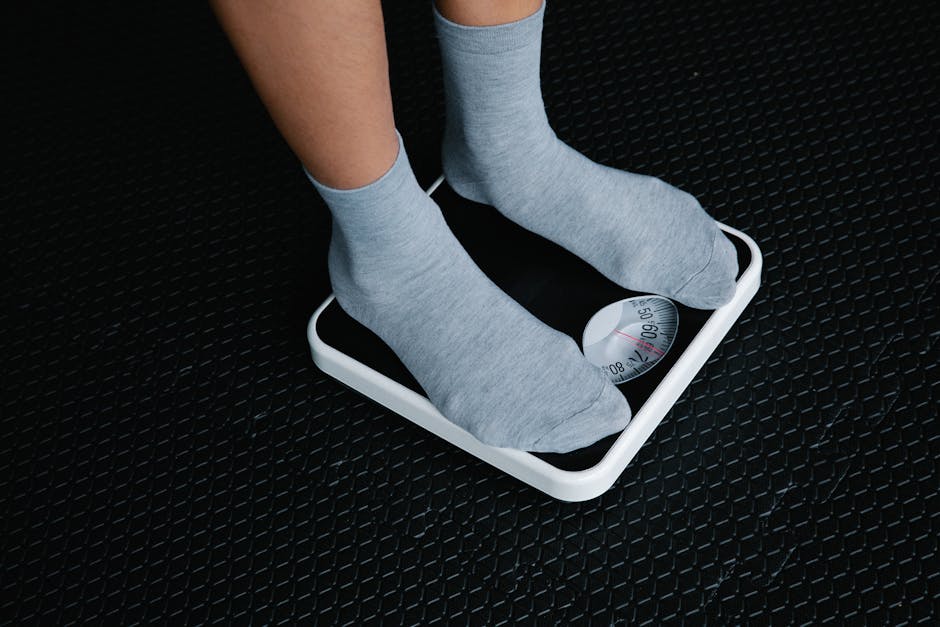
A 47-day streak can prove consistency while revealing nothing about whether the habit improved your life. If weight, grades, portfolio quality, or another target metric stays flat, the streak is rewarding repetition instead of progress.
In Vietnam in the 1960s, U.S. Secretary of Defense Robert McNamara relied heavily on numbers to understand a war that resisted tidy measurement. Body counts and other quantitative indicators traveled up the command structure as evidence of success. The totals could rise while the central question remained unresolved: Was the strategy working?
David Halberstam documented this dependence on measurable activity in The Best and the Brightest. The numbers looked precise. The outcome they supposedly represented remained dangerously unclear.
That is the shape of the 47-day problem.
The streak rises while the outcome stays flat
Picture a composite student checking a habit tracker on day 47. Every square is filled. The streak badge glows. Forty-seven consecutive days of “work on portfolio” sounds like a serious achievement.
Now place the streak beside the evidence.
On day one, the portfolio contained two unfinished projects. On day 47, it still contains two unfinished projects. The student opened the design file each evening, adjusted a color, renamed a layer, or watched another tutorial. Each action preserved the streak. None moved a project across the finish line.
Change the goal and the pattern survives.
A person trying to improve a course grade records “study” for 47 days, but practice-test scores remain flat. Someone trying to get stronger logs every workout, but the weight, repetitions, or form never changes. Someone pursuing weight loss keeps a perfect exercise streak while weight and waist measurements move sideways.
The habit happened. The desired result did not.
A tracker usually records the easiest observable event: Did you check the box today? The goal lives one level deeper: Did today’s work produce evidence of learning, fitness, craft, or connection?
That gap matters because a rising counter feels like proof. It can reduce the discomfort that should prompt a change in method.
A streak needs a second line on the chart
The solution is not to abandon streaks. Streaks make consistency visible, and consistency gives difficult work somewhere to begin. The mistake is asking one number to answer two different questions.
A useful dashboard needs at least two lines:
- The activity line shows whether you returned to the work.
- The outcome line shows whether the work changed anything that matters.
For a chemistry goal, the activity line might record focused study sessions. The outcome line could track completed problem sets, corrected mistakes, or quiz performance. For a coding portfolio, activity might be time spent working. Outcome evidence could include a qualifying GitHub push made after the quest was created or a finished feature another person can run.
LifeQuest separates these signals through evidence-weighted progress. You can complete a suitable quest through honest self-report for half XP when objective proof is impractical. When a stronger method applies, an accepted camera submission, a completed server-timed focus session, or a qualifying GitHub push can award full XP.
The distinction does not claim perfect truth. AI photo review is a plausibility check, not a fraud-proof judge. A timer proves elapsed time, not comprehension. A GitHub push proves a push occurred, not that the code is good. Each method answers a narrower question than “Did you improve?”
That narrower answer is still more useful than one generic checkbox.
Measure the work closest to the result
Before creating a recurring quest, write down the result it is meant to influence. Then choose evidence closer to that result.
“Study chemistry” invites vague compliance. “Complete ten equilibrium problems and correct every missed step” creates something inspectable.
“Work on my portfolio” leaves room for forty-seven days of cosmetic edits. “Implement the project’s search state and push the working change” points toward a finished artifact. The same warning appears in the one-line README edit that saves your streak but costs the goal.
“Exercise” records attendance. “Complete three controlled sets and record up to 60 seconds of form for coaching feedback” creates evidence you can review. LifeQuest keeps that coaching separate from XP and quest completion, because useful feedback should never masquerade as proof.
Every week, compare the two lines. If activity rises and the outcome remains flat, do not add pressure to protect the streak. Change the quest, the difficulty, the feedback source, or the measurement.
McNamara’s dashboards offered the comfort of countable progress while the strategic reality remained contested. Your habit tracker carries lower stakes, but it can make the same category error. On day 48, keep the streak only if the next action can move the second line.
Comments
No comments yet.