
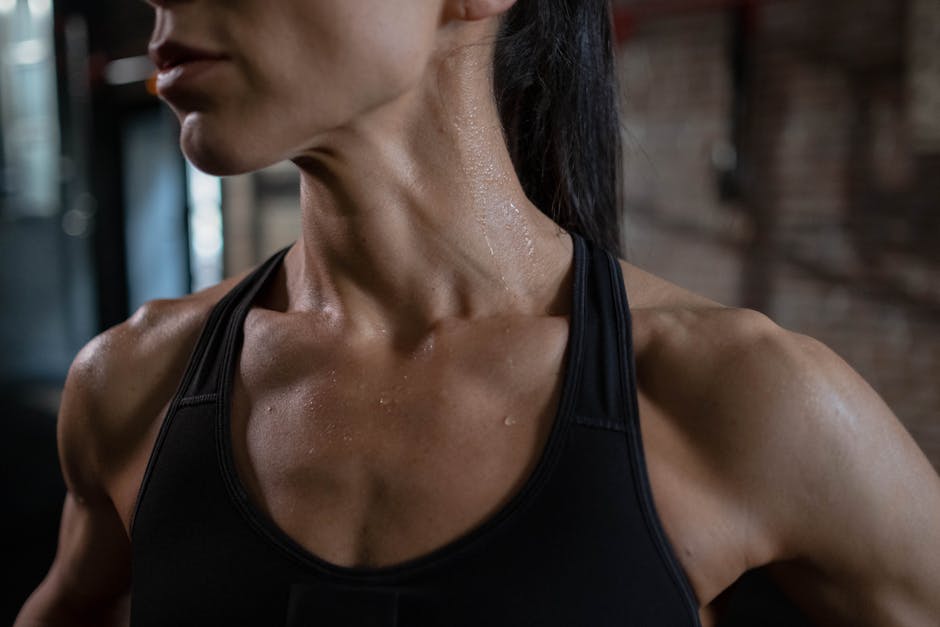
Capture your workout evidence before you leave the space where it happened. In LifeQuest, the minute after your last rep is often the clearest time to take a fresh in-app photo for AI plausibility review and, if accepted, earn full XP.
In 1954, Roger Bannister finished a mile at Iffley Road Track in Oxford with the four-minute barrier still unresolved. The official timekeepers recorded 3 minutes 59.4 seconds, making Bannister the first person documented to run a mile in under four minutes. The result mattered because it was measured at the track, at the moment the run ended, while the conditions and effort were still connected. Encyclopaedia Britannica documents Bannister’s record and its significance.
A student finishing a workout does not need an Olympic record. But the same practical lesson holds: capture the relevant artifact while it is still close to the action.
The evidence gets weaker once you leave
The gym door closes, the court empties, the yoga mat gets rolled up, and your phone fills with unrelated photos. An image taken later may still show your shoes or equipment, but it carries less context about what you actually completed.
That is why the post-workout proof window is useful. Open the quest while you are still at the bench, on the track, beside the climbing wall, or in the room where you trained. Take one photo that shows a sensible connection to the quest you made.
For a “complete a bodyweight workout” quest, that might mean your exercise space and the equipment you used. For a “run after class” quest, it could mean the place you finished, with the details that naturally belong there. You do not need to stage a dramatic before-and-after shot. You need an honest, relevant artifact.
LifeQuest keeps photo proof distinct from self-report for a reason. A photo goes through AI plausibility review; accepted proof earns full XP. If the proof is rejected or no objective proof fits the quest, you can still complete it honestly by self-report for half XP.
Build the photo into the last rep
The easiest proof habit has one trigger: when the workout ends, capture evidence before you pack up.
Make it part of the quest’s finish line. Last set, breathe, open LifeQuest, take the photo, then leave. This takes less planning than trying to reconstruct your workout from your camera roll on the bus home.
Choose quests that make this practical. “Exercise more” leaves you guessing what a useful artifact looks like. “Complete three sets of squats at the campus gym” gives you a concrete moment and place. What Happens When You Turn “Exercise More” Into Five Morning Squats? explores why smaller, finishable actions are easier to keep.
The goal is not surveillance. It is a clean record of work you chose to do.
Keep coaching and proof in their proper lanes
A 60-second form clip can be valuable after a workout, especially when you want cues or concerns about an exercise or craft movement. In LifeQuest, asynchronous AI coaching reviews that clip separately from quest completion. Coaching feedback can help you improve, but it does not act as proof or award XP.
That separation protects the meaning of both actions. A useful coaching clip can show an imperfect squat, a shaky lift, or a form problem worth fixing. You can ask for feedback without feeling pressure to make the clip look like evidence. For the difference in more detail, see The 60-Second Clip That Can Improve Your Form but Cannot Award XP.
Take the proof photo when proof genuinely applies. Record form when coaching would help. Use self-report when neither is practical.
Let the finish be easy to repeat
Bannister’s time became history because the performance had a reliable record at the decisive moment. Your workout does not need that scale, but your progress does deserve a finish you can repeat tomorrow.
Before your next session, decide what a suitable end-of-workout artifact would be. Keep your quest specific enough to recognize it. When you finish, capture it before you walk away, then let the review reflect what you honestly submitted.
Comments
No comments yet.