
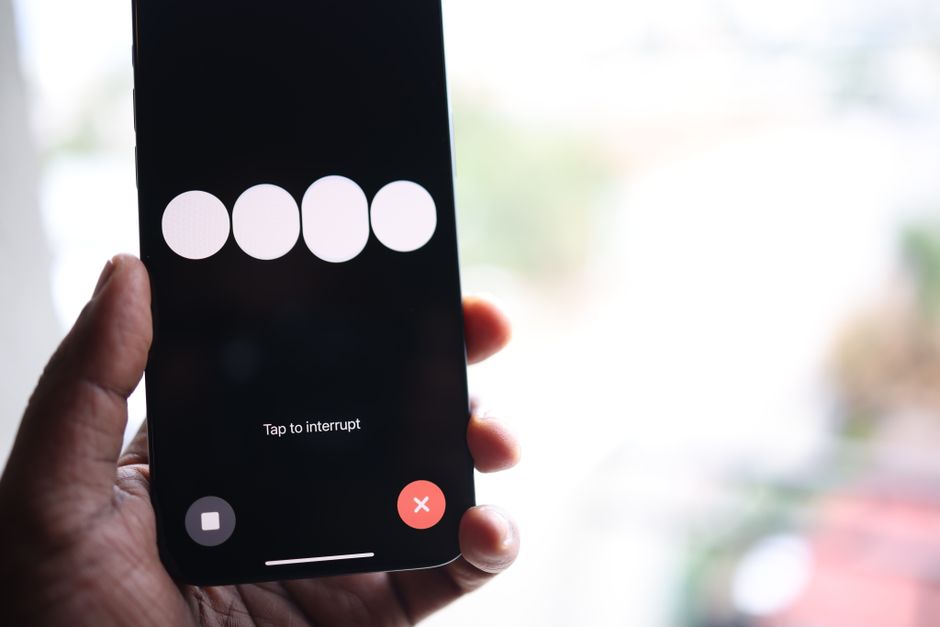
A focus quest earns full XP only when a qualifying server-timed session has been started and completed. Tap complete without that session, and you can still record the work honestly through self-report for half XP.
Imagine Theo, a first-year engineering student, standing in a quiet corner of his campus library at 9:42 p.m. His laptop is warm, his coffee is cold, and a problem set covered in pencilled corrections is due the next morning.
He has studied for nearly an hour, but he never started a LifeQuest focus session. Now he taps to complete his quest, expecting full XP.
The first tap records an honest claim
The full-XP focus option cannot confirm Theo’s study time because no server-timed session exists. LifeQuest has no elapsed session to check, even though his open textbook and tired eyes make the effort feel obvious to him.
That leaves a real choice. Theo can self-report the quest and receive half XP, or leave it pending.
For a moment, he hesitates. If he refuses the half-XP option, tonight’s work disappears from his progress. If he claims full credit without qualifying evidence, the rank means less the next time he sees it.
He chooses self-report.
The quest moves into his completed work, his effort counts, and he receives half XP. No accusation appears. LifeQuest does not pretend that a missing session proves he did nothing. It simply distinguishes an honest claim from a completion supported by the verification method selected for that quest.
That distinction is the point of evidence-weighted progress. Self-report stays available because plenty of useful work cannot be objectively verified. Full XP asks for stronger evidence when a suitable method exists.
The second tap follows a timed session
Two evenings later, Theo returns to the same library table. Someone has left a folded receipt beside the lamp, and rain dots the window behind his screen. This time, he opens the study quest and starts its focus session before touching the problem set.
The timer displayed on his device helps him follow the session, but the award does not depend on a device-side counter. LifeQuest records elapsed time on the server. Closing the screen does not secretly pause the session, and leaving the app does not create extra control over the clock.
Theo works until the qualifying session is complete. Then he taps to finish it.
It looks like almost the same action he took two nights earlier. The result differs because the evidence now exists. LifeQuest can connect the quest to elapsed server time and award full XP.
Same person. Same library. Same kind of work. Same final tap.
The full reward comes from the completed verification path, not from how certain Theo feels when he presses the button.
This is also why starting a timer after the work cannot repair the earlier attempt. A session establishes a time window for the work that follows. It cannot reach backward and verify an hour that happened before it began. LifeQuest Focus Sessions: What a Premature Zero Taught Lena About Full XP explores the other edge of that rule: what happens when a session starts but ends before it qualifies.
Full XP depends on the method, not the tap
A generic completion checkbox collapses two different statements into one:
“I did this.”
“I did this, and the selected evidence supports it.”
LifeQuest keeps those statements separate. For a suitable quest, full XP may come from an accepted in-app camera photo, a qualifying server-timed focus session, or an eligible GitHub push made after a coding quest was created. The applicable choices depend on the quest. Form-coaching clips stay separate because feedback about exercise or craft form cannot prove that the quest was completed.
AI photo review also has limits. It checks whether submitted evidence appears plausible; it is not fraud-proof. The focus method makes a narrower claim: a server-timed session ran for the required elapsed time. It does not judge the quality of every minute inside that session.
Those boundaries keep the reward understandable. You can see what was verified, what was self-reported, and why the XP differs. If objective proof is impractical, the half XP an honest claim earns still records progress without dressing the claim up as stronger evidence.
Start the evidence when the work starts
On his next study night, Theo no longer treats the final tap as the important moment. He opens the quest, chooses the focus method that genuinely fits the work, and starts the server-timed session before turning to the first question.
That small action changes what LifeQuest can verify later.
If he forgets, self-report remains available. He can take half XP and keep an honest record instead of abandoning the quest. If he starts and completes a qualifying session, full XP reflects the stronger evidence.
At 9:42 p.m., the difference between those outcomes fits inside one early decision: start the session before starting the work.
Comments
No comments yet.