
A strong workout quest names the exact work, the completion threshold, and the evidence you can honestly provide. “Do three rounds of 10 squats, 8 push-ups, and a 30-second plank” gives you a finish line that “work out tonight” never can.
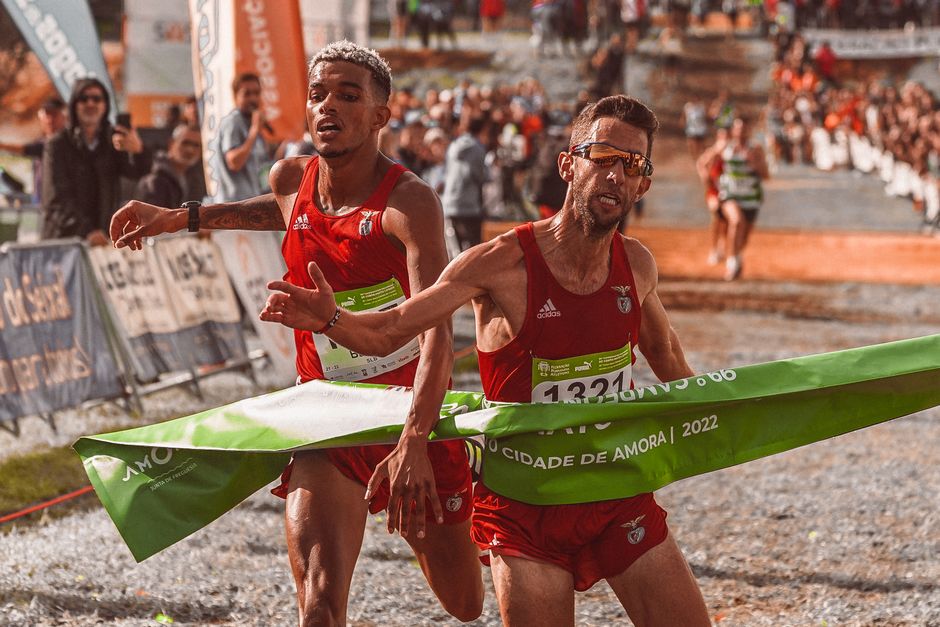
On May 6, 1954, Roger Bannister started a mile at Oxford’s Iffley Road track with one unforgiving boundary: finish in under four minutes. Chris Brasher and Chris Chataway helped set the pace, but nobody knew whether the attempt would succeed until Bannister crossed the line.
The official time was 3 minutes, 59.4 seconds.
That number made the result legible. Bannister did not have to reconstruct how hard the run felt or argue that the effort was close enough. The clock held the condition, and the finish settled it. Encyclopaedia Britannica documents the attempt and the barrier he broke in its biography of Roger Bannister.
Your Tuesday workout carries smaller stakes, but it benefits from the same structure. Decide what crossing the line means before you begin.
Replace the intention with a completion condition
“Exercise after class” records an intention. It leaves several questions open. Does stretching count? What about ten distracted minutes between messages? If you stop after one set, did you finish?
Turn the workout into a Body quest with a condition you can evaluate without negotiating with yourself afterward:
Complete three rounds of 10 bodyweight squats, 8 push-ups, and a 30-second plank.
Now every part has a boundary. The exercises are named. The repetitions are counted. The number of rounds is fixed. You can scale the movements to your current ability, but that choice belongs in the quest before the session starts. For example, write “8 incline push-ups using a bench” instead of quietly changing the movement halfway through.
Keep the quest small enough to finish in one session. A goal such as “get stronger” can contain many quests, while today’s quest should describe one piece of work you can complete and close.
LifeQuest places that quest in the Body domain. Completion earns XP, contributes to your streak and skill progress, and moves you through the Body rank ladder. The game layer works because the real-world condition comes first.
Match the evidence to what it can show
A visible finish line also makes it easier to choose an honest verification method. LifeQuest offers the methods that genuinely apply to a quest rather than presenting one universal checkbox.
For a timed workout, a server-timed focus session can establish how long the session ran. The elapsed time comes from the server rather than a counter on your phone. That makes “complete a 20-minute mobility session” much clearer than “do some mobility work.”
A camera photo may provide plausible evidence for some workout outcomes or setups. LifeQuest awards full XP when its AI review accepts the submitted image, but the review is not fraud-proof. A still image also cannot reliably establish every repetition you performed. Write the quest so the requested evidence and the completion claim belong together.
If practical proof does not fit the workout, use honest self-report for half XP. The reduced award preserves a meaningful difference between a supported completion and a personal claim without erasing the work you did. The half-XP option exists for exactly this gap between honest effort and objective evidence.
Keep coaching separate from completion
Technique creates another tempting shortcut. A form clip can show how you performed a movement, so it may feel like proof that you finished the whole workout. Those are different claims.
LifeQuest lets you record up to 60 seconds of exercise form for asynchronous AI feedback. The response can include a summary, cues, and concerns. It cannot award XP or complete the quest, and it does not replace a qualified coach or medical professional.
That separation protects the meaning of both tools. Verification asks whether the quest’s completion condition has credible support. Coaching examines the movement visible in a short clip. A form check cannot prove that the rest of the workout happened.
If you want feedback on your squat, submit a squat clip. If you want a completed quest, finish the rounds and use an applicable completion method.
Write the finish line before the first repetition
Before your next workout, open a Body goal and create one quest you could evaluate with a simple yes or no. Name the movements, rounds, repetitions, duration, or distance that determine completion. Then choose evidence that can support that exact claim.
Avoid raising the target once you start. Adding an extra round can be a bonus, but it should not turn the original finish line into a moving target. Clear conditions reduce the urge to bargain when energy drops, and they prevent a solid session from feeling unfinished simply because you could have done more.
Bannister’s 1954 mile remains memorable because 3:59.4 answered the question the attempt posed. Give today’s workout the same clarity: define the line, do the work, and record the result your evidence can support.
Comments
No comments yet.